Travel Guides
Where to Stay in Bulawayo: Best Areas for Short Stays (2026 Guide)
Not sure which part of Bulawayo to stay in? Compare the city centre, Hillside, the leafy suburbs and the airport, with tips for Matobo, Khami and getting around.
By TripBnB Team · · 8 min read
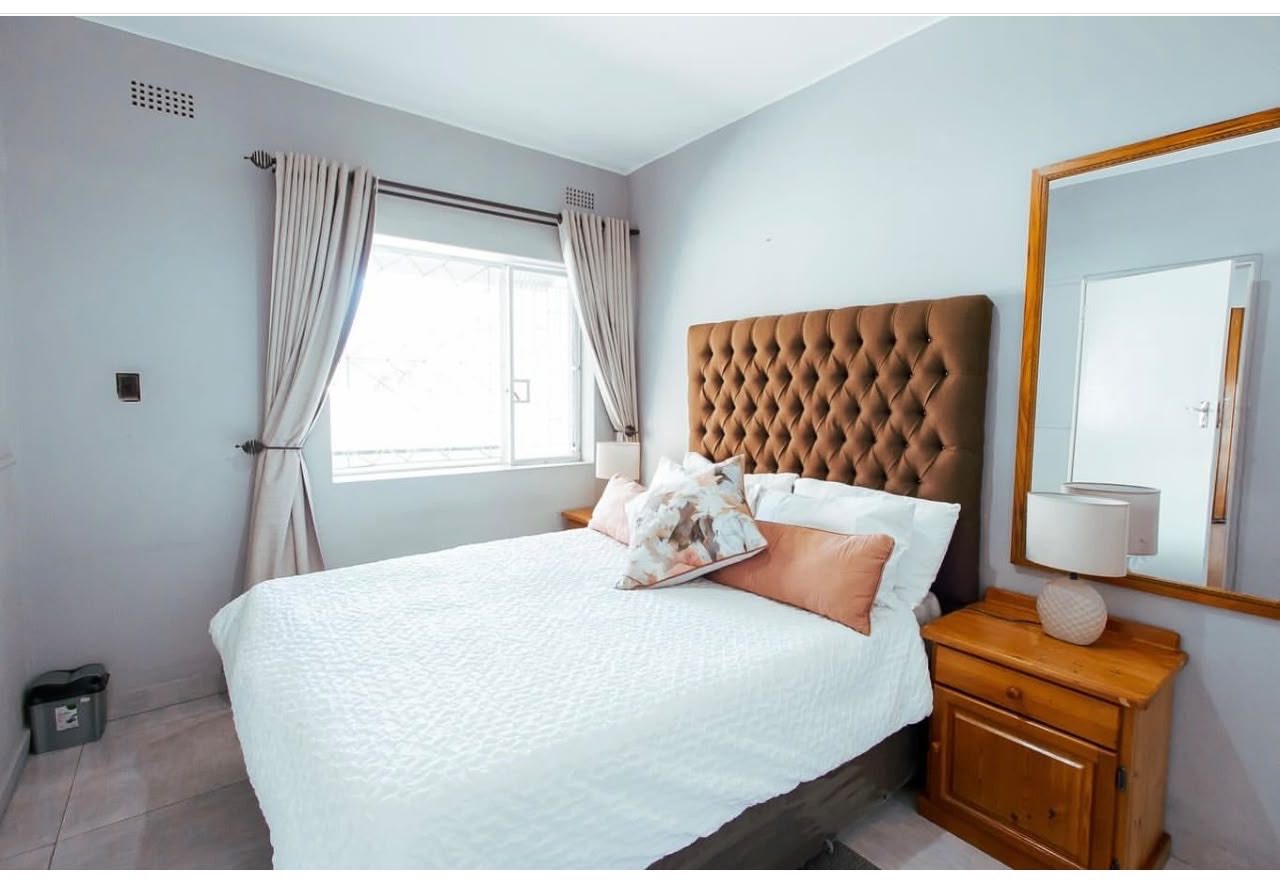
Wondering where to stay in Bulawayo? Zimbabwe’s second city is compact and easy to read: a wide-street grid in the centre, and leafy suburbs close by. Most short stays are not downtown, but in the neighbourhoods east and south of the centre, nearer shops, family homes and the road to Matobo. This guide compares the main areas so you can pick a base that suits your trip.
TripBnB does not yet have live stays in Bulawayo. If you have a cottage, apartment or guest house here, you can list your property on TripBnB. In the meantime, you can browse stays in other Zimbabwe cities, including Harare. For how to pay, see how to book a stay and pay with EcoCash.
Quick guide: which area is right for you?
First-time visitors who want museums and a walkable centre by day: stay just east of downtown, so you can dip into the city without sleeping in the CBD.
A quiet, leafy base and an early start for Matobo: Hillside, Burnside or Matsheumhlope, on the southern side of the city.
Visiting family, or a calmer residential street: Khumalo, Famona or the other eastern suburbs.
A late arrival or a very early flight: closer to the northern side of the city, and arrange an airport transfer — the airport itself is not next to town.
A night among the hills, not in the city: lodges and camps in or beside Matobo National Park, about 30 kilometres south.
There is no single “best” suburb. Choose the one that matches your plans — and, if you are coming home, how close you want to be to your relatives.
The city centre
Bulawayo’s centre is built on a generous grid of wide avenues. By day it is practical: City Hall, shops, the cluster of museums around Centenary Park — including the Natural History Museum of Zimbabwe — and the Bulawayo Railway Museum. The streets are pleasant to walk while the shops are open.
In the evening the centre quiets down. Most visitors use a taxi rather than walking after dark, and sleep in the suburbs. If your trip is built around meetings downtown, stay on the inner edge of the eastern suburbs rather than in a block in the CBD itself.
Hillside, Burnside and Matsheumhlope
These southern suburbs are the most practical all-round base for many visitors. You are in a quieter, leafy part of the city, with guesthouses and self-catering stays, and you are on the right side of town for the drive south to Matobo. Hillside Dams is a local place for a walk, and shops at Ascot cover day-to-day needs.
This area suits first-time visitors who want a calm street, families, and anyone planning a dawn start for the hills. You will want a car, a trusted driver or a taxi for the trip into town and for Matobo or Khami — but you are not far from either.
If you are visiting the National University of Science and Technology (NUST), the southern side of the city is also the more convenient base.
Khumalo, Famona and the eastern suburbs
East of the centre, established residential suburbs such as Khumalo and Famona — and the area often just called Suburbs — are a natural choice if you are visiting family, staying a little longer, or simply want a garden street and a self-catering kitchen. You can reach the museums and the shops without a long journey, and evenings are quieter than downtown.
These neighbourhoods suit homecoming trips, weddings and funerals, and business travellers who prefer a residential street to a hotel on a main road. As in the rest of the city, plan on a taxi or a driver after dark.
Stays near the airport
Joshua Mqabuko Nkomo International Airport (BUQ) sits about 25 kilometres north of the city — the figure published by the Airports Company of Zimbabwe. Transfer times vary, and there is no reliable public bus, so most visitors arrange a pickup with their host, or take a licensed taxi and agree the fare before they get in.
The airport is far enough out that “near the airport” does not mean a short walk from the terminals. If you have a late arrival or a very early flight, stay on the northern side of the city rather than in Hillside, and ask your host about a transfer. For a longer stay, a southern or eastern suburb is usually the more comfortable base, with a pre-arranged ride to the airport on the day you leave.
Matobo and Khami: day trips that shape where you stay
Two UNESCO World Heritage sites sit just outside the city, and they are the reason many visitors come.
Matobo National Park (the Matobo Hills) lies about 30 kilometres south of Bulawayo — ZimParks puts the park boundary at roughly that distance. It is a landscape of granite domes and balancing boulders, with San rock paintings, rhino and other wildlife, and the viewpoint known as World’s View. The road from town is tarred to the park; once you are inside, some routes are gravel. There is no useful public transport to the gate, so go with a trusted driver, a hire car or a guided tour. If Matobo is the focus of your trip, staying in Hillside or the southern suburbs saves you a cross-city start. Some people skip the city altogether and stay in a lodge or camp in the hills; that is a different kind of trip, and you will still need transport for anything in town.
Khami Ruins, about 22 kilometres west of the centre, are the stone-walled remains of a city that rose after Great Zimbabwe, from around the 15th century. A visit often takes a morning or a short afternoon. As with Matobo, plan a taxi, a car or a tour — do not count on a kombi to drop you at the site.
Getting around Bulawayo
The historic centre is walkable by day. Almost everywhere else, plan on taxis, a hire car, or a driver arranged by your host. Agree the fare with a street taxi before you get in. Commuter minibuses (kombis) are cheap and widely used by residents, but they are crowded and not practical with luggage.
Ride-hailing is thinner here than in Harare, so do not rely on an app being able to find a car at short notice, especially at night or on the way to the airport. If you are going to Matobo or Khami, book the driver the day before.
Paying with EcoCash, mobile money or card
When stays in Bulawayo are listed on TripBnB, you will be able to book and pay online with EcoCash, or with OneMoney, InnBucks, Omari, SmileCash, or a Visa or Mastercard — useful if you are travelling from within Zimbabwe, or flying in and want the booking settled before you land. US dollars are still widely used for day-to-day spending, and small notes help with change. Many shops also take mobile money or cards, but it is wise not to rely on a card machine working every time.
If your plans change, TripBnB’s live policy is a 100% refund when you cancel 48 hours or more before check-in, and 50% back if you cancel later.
Coming home, events and busy periods
Many short stays in Bulawayo are Zimbabweans flying in from the UK, South Africa and further afield to see family, attend a wedding or a funeral, or spend December at home. The best area is usually the one closest to your relatives. A self-catering apartment or cottage works well: you can come and go, and cook for yourself. Book earlier for the festive period, long weekends and school holidays.
The city also gets busier around the Zimbabwe International Trade Fair (ZITF), usually held in late April, and around other gatherings in town. If you are coming for an event, stay closer to where you need to be each day rather than out toward the airport. The dry season, roughly May to October, brings clearer skies and cool mornings, and is a comfortable time for Matobo; the rains typically run from November to March.
If your trip also takes you to the capital or on to the Falls, see where to stay in Harare and where to stay in Victoria Falls. For a December homecoming, Coming Home to Zimbabwe for Christmas has practical advice that applies beyond Harare too.
Frequently asked questions
What is the best area to stay in Bulawayo for a first visit?
Hillside or one of the other southern or eastern suburbs is the strongest all-round choice: quieter than the centre, close enough for museums and shops, and on the right side of town for Matobo.
Is it better to stay in the CBD or the suburbs?
The suburbs are the better overnight base for most short stays. The centre is useful by day.
Where should I stay near Bulawayo airport?
The airport is about 25 kilometres north of the city, with no reliable public bus. Stay on the northern side of town if you have a tight flight, and arrange a transfer with your host or a licensed taxi.
Can I pay for a Bulawayo stay with EcoCash?
Yes, once a stay is listed on TripBnB. You can pay with EcoCash, other mobile wallets (OneMoney, InnBucks, Omari, SmileCash) or a Visa or Mastercard.
Where should I stay if I am visiting family in Bulawayo?
Stay as close as you can to your relatives. A self-catering cottage or apartment is often more comfortable than a hotel.
How far are Matobo and Khami from the city?
Matobo National Park’s boundary is about 30 kilometres south; Khami Ruins are about 22 kilometres west. You will need a car, a taxi or a tour for both.
Book a stay, or list your property
TripBnB does not yet have live listings in Bulawayo. If you have a spare cottage, apartment or guest house in any of these neighbourhoods, you can list your property on TripBnB. Hosts pay a 10% commission. It is a straightforward way to welcome guests who want a short stay that feels like home.
You can also browse short stays in other Zimbabwe cities — on the web, or on the iOS and Android apps. You can message the host before you book, pay with EcoCash or card, and see the exact address once the booking is confirmed.